+256 785 613 134
inquiries@gorillatrekkingpermits.com
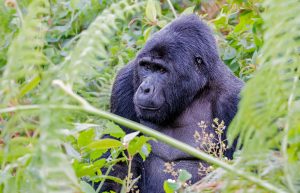
Gorilla trekking is a special wildlife adventure where you hike through forests to see mountain gorillas in their natural home. The experience is exciting and unforgettable as you get to watch these gentle giants up close while they eat, play, and interact with each other. Treks can take a few hours depending on where the gorillas are, but the moment you find them makes every step worth it. Being in the presence of a gorilla family feels magical and humbling, as you see how similar they are to humans. It is an experience that many travelers describe as once in a lifetime.
Gorilla trekking is one of the most memorable wildlife experiences in Africa. It gives you a rare chance to see endangered mountain gorillas in their natural home, only a few meters away but always at a safe distance. These incredible primates live in only a few countries: Uganda, Rwanda, and the Democratic Republic of Congo. Of these, Uganda and Rwanda are the most popular and best-known destinations for gorilla trekking.
This guide explains everything you need to know about seeing gorillas in Africa—from costs and safety to landscapes, trek difficulty, family travel, and the best time to go.
One of the biggest differences between trekking in Uganda and Rwanda is the cost of the gorilla permits:
Uganda is therefore the more affordable option, while Rwanda offers a more high-end experience. Rwanda’s higher prices also reflect its strong investment in conservation and local communities.
Other expenses also differ. Rwanda has more luxury lodges and is closer to Kigali International Airport, making transfers quicker and cheaper. Uganda, on the other hand, offers a wider range of mid-range accommodations and a more diverse safari experience, but travel distances are longer and can add to costs.
Both countries offer some of the best gorilla trekking in Africa.
It’s natural to feel nervous about being close to a silverback gorilla, which can weigh over 180 kg and stand nearly 6 feet tall. But gorilla trekking is considered very safe. The treks are led by trained rangers who know how to approach gorillas and manage group safety.
Both Uganda and Rwanda are safe for tourists. Rwanda is often praised for its political stability and well-developed infrastructure, while Uganda also provides a safe experience as long as you follow travel advisories.
When you trek, you will be guided on how to behave around the gorillas—keeping distance, speaking quietly, and avoiding sudden movements. With these precautions, the experience is safe and truly unforgettable.
The trekking environment differs between the two countries:
Both landscapes are stunning but offer very different trekking atmospheres.
The level of difficulty varies depending on the location and the gorilla family assigned to you:
Trekking can take anywhere from 1 to 8 hours. It’s a physically demanding activity, so preparing in advance with basic fitness training is recommended.
The minimum age for gorilla trekking in both Uganda and Rwanda is 15 years. This rule protects the gorillas from exposure to childhood illnesses such as colds, flu, or chickenpox. Families traveling with teenagers may find Rwanda’s relatively shorter treks more manageable, while Uganda’s routes suit adventurous families ready for more challenging hikes.
The dry seasons are the best time for gorilla trekking:
During these months, trails are drier and easier to walk, though Uganda’s forests remain humid year-round. A rain jacket and waterproof gear are always essential.
Rwanda’s short dry season (December–February) is especially good, with firm trails and lower malaria risk.
A gorilla trek can easily be combined with other iconic African safari destinations:
This makes Uganda and Rwanda perfect starting points for a multi-country safari in East Africa.
Both Uganda and Rwanda provide extraordinary gorilla trekking experiences, and your choice depends on your budget, time, and preference for adventure.
Either way, gorilla trekking in Africa is a once-in-a-lifetime opportunity to come face-to-face with one of the world’s most endangered species in their natural home.