+256 785 613 134
inquiries@gorillatrekkingpermits.com
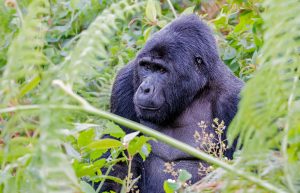
Gorilla trekking is one of the most thrilling wildlife adventures in Africa, giving you a rare chance to see endangered mountain gorillas in their natural home. However, this activity comes with strict rules and guidelines designed to protect both the gorillas and the tourists who visit them. Mountain gorillas are highly vulnerable to human diseases and disturbances, so following these gorilla trekking rules is not only a matter of safety but also a way to support their conservation.
Only about 1,000 mountain gorillas remain in the wild, found in Uganda, Rwanda, and the Democratic Republic of Congo. Tourism provides the main source of funding for their protection, which is why every visitor is expected to respect the gorilla trekking regulations. Rangers will always brief you before the trek, but here’s a full guide to help you prepare.
You must be 15 years or older to join a gorilla trek. This is because children are more likely to carry diseases such as flu, mumps, or chickenpox, which can be deadly to gorillas.
Visitors need a yellow fever vaccination certificate to enter Uganda, Rwanda, or Congo. Depending on your nationality, a visa may also be required. Park authorities will check your passport before you begin trekking to confirm your identity and permit.
Only eight people are allowed to visit one gorilla family per day. This minimizes stress on the gorillas and reduces the risk of disease transmission.
Gorilla trekking often involves hiking through thick forests, steep hills, and muddy trails. You should be reasonably fit to enjoy the trek. Elderly travelers may be assigned gorilla groups closer to the starting point, and porters are available to help carry bags or even assist with the climb.
If you are sick or have a contagious illness, you will not be allowed to track the gorillas. This rule is crucial because gorillas are very susceptible to human diseases like flu, diarrhea, and cough. If you feel unwell, it’s better to postpone the trek—you may be refunded or rescheduled.
If a gorilla charges, remain calm. Do not run. Instead, crouch down slowly and avoid direct eye contact, as staring may be seen as aggression. Rangers are trained to handle such situations, so trust their guidance.
You can take photos, but never use flash photography as it may provoke the gorillas. Move slowly and avoid standing over them. Wait for your ranger to signal when it is safe to take pictures.
Respecting gorilla trekking regulations ensures a safe and memorable experience for you while protecting the gorillas from unnecessary risks. By keeping a safe distance, avoiding loud noises, and staying healthy, you directly contribute to the survival of these endangered primates.
When you follow these gorilla trekking rules in Uganda, Rwanda, or Congo, you are not only having a once-in-a-lifetime adventure but also supporting gorilla conservation and eco-tourism in Africa.